
Sephiria chapter guide: the six-chapter climb
A version-aware overview of the six-chapter tower, from early route learning to the final chapter and endgame pressure.
A version-aware overview of the six-chapter tower, from early route learning to the final chapter and endgame pressure.
3 sources · reference table included · video walkthrough
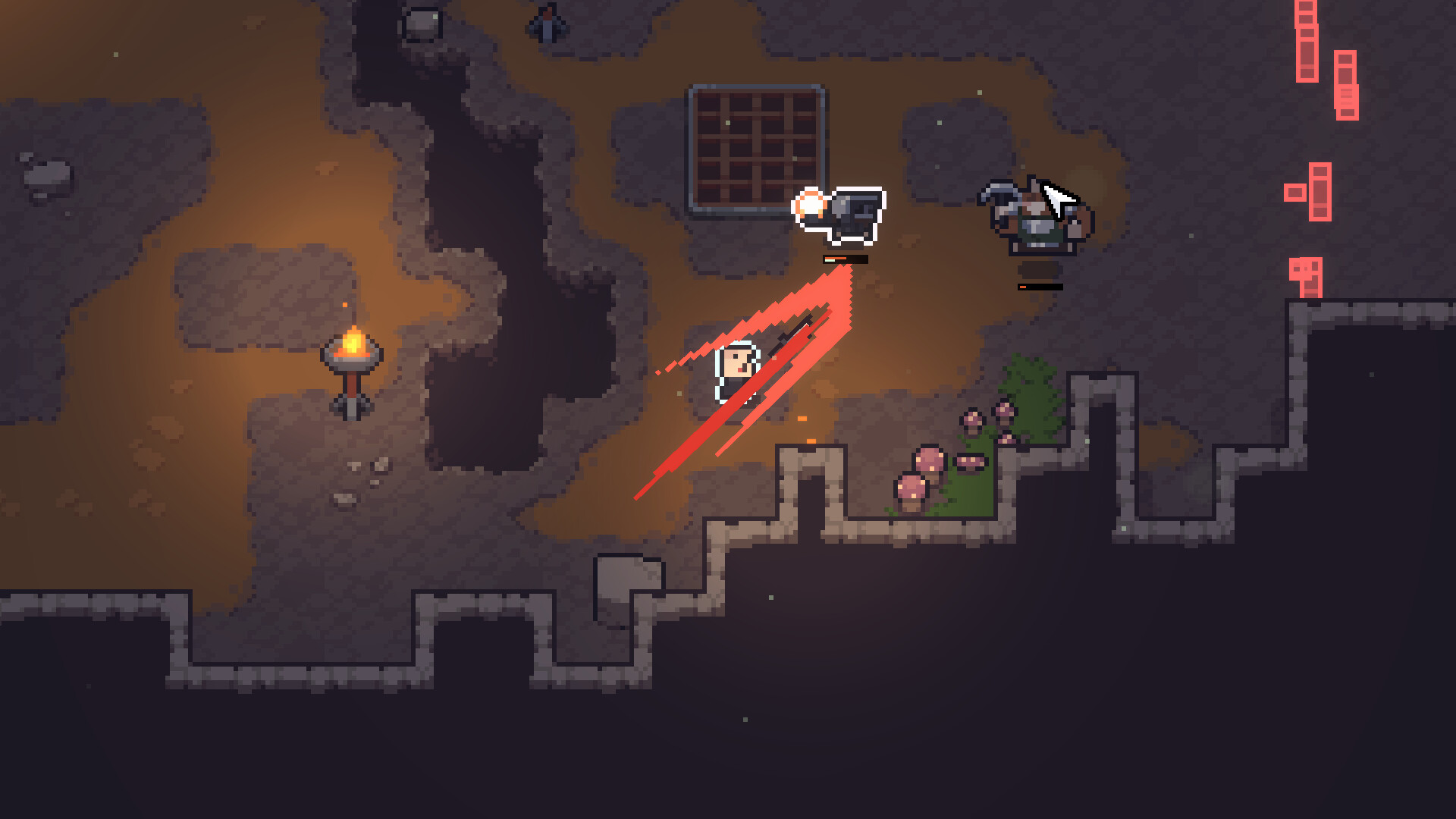
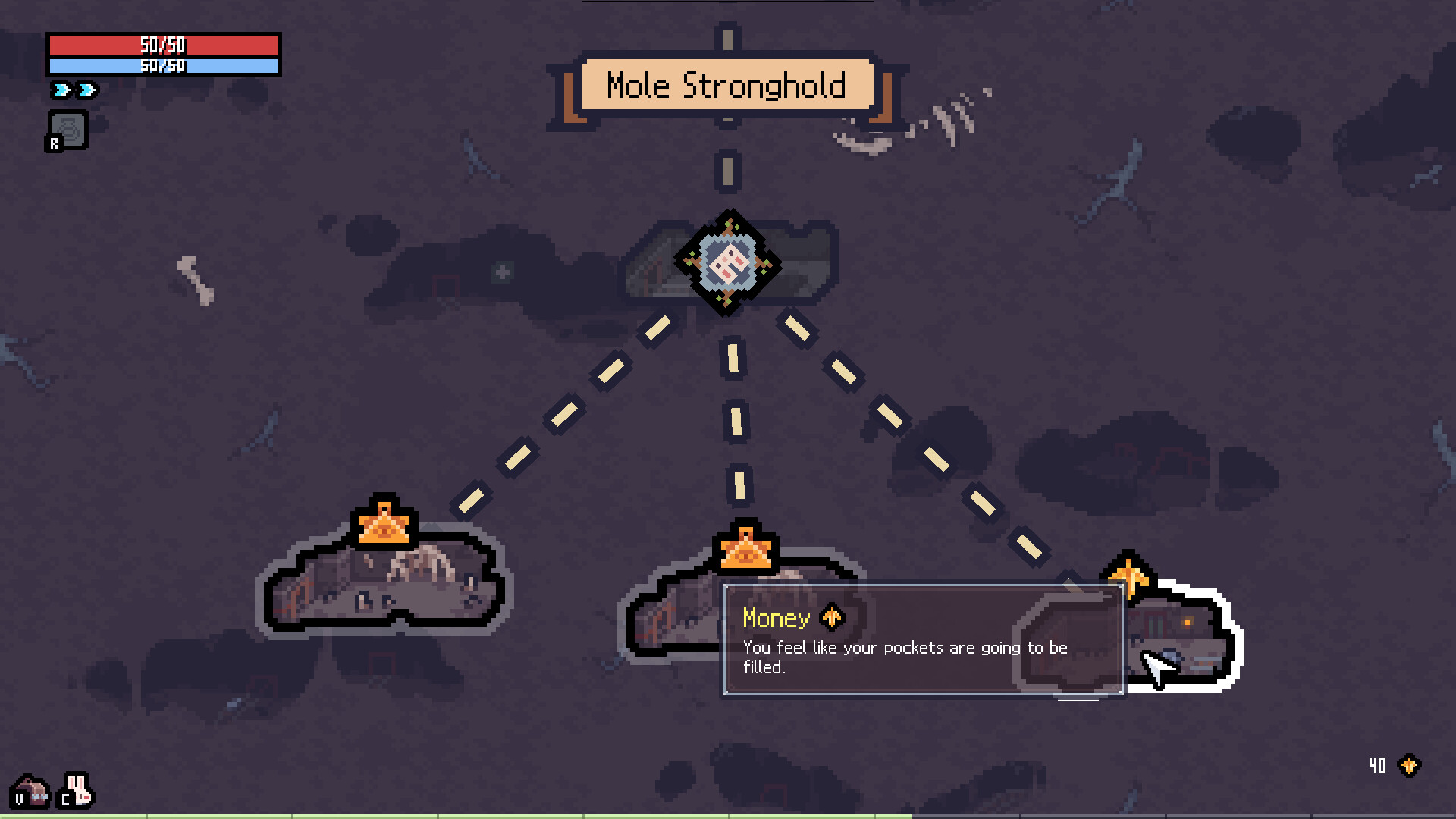
The confirmed campaign shape
The Steam store describes a journey spanning six chapters, more than sixty enemy types, and over ten unique bosses. The 1.0 launch therefore expands the route beyond early-access notes and should be treated as the baseline for new walkthrough pages.
Plan each chapter page
A useful chapter page should list the route goal, new enemy pressure, hazards, boss windows, recommended weapon directions, and the items worth saving. Do not invent chapter names or boss names when the current game has not been checked.
Use a run checklist
Before entering a new chapter, record your weapon level, the main artifact or tablet plan, healing options, and the one mechanic you are practicing. After the boss, update the page with a short verified note rather than a speculative tier list.
What every chapter page should answer
Start with the route goal, then list the pressure introduced by the chapter: room density, hazards, enemy behaviors, and the boss pattern that changes how you spend resources. This is more helpful than a bare chapter number.
Add a short preparation panel for weapon direction, healing margin, and the one mechanic worth practicing before entry. Keep names and thresholds linked to a current capture.
Walkthrough note format
Use one note per meaningful checkpoint: route choice, first elite, shop or upgrade decision, and boss preparation. A player can then stop reading after the exact problem they have solved.
When the game changes, update the affected checkpoint instead of rewriting the entire chapter page. Keep the patch or version visible at the top.
Push or reset: a simple rule
Push when the grid has a clear direction, your core tablet line is active, and the next boss pattern is the only unknown. A difficult run can still be a good learning run when its failure has one readable cause.
Reset when dead cells have permanently broken the grid, consumables are gone before the chapter's main test, or the route has no answer for the room type that keeps ending it. This is not wasted progress: it keeps the next attempt focused on one correction instead of six unrelated problems.
What to record after a clear
Write the chapter number, weapon direction, one active tablet interaction, the resource that was saved for the boss, and the cue that was hardest to read. Those five points turn a clear into an update another player can use, instead of a screenshot with no context.
If the route changed after an elite, merchant, or item choice, note the decision rather than every room. A walkthrough should explain why a path is safe or risky, not pretend that all runs offer the same map.
Six-chapter climb: a practical route sheet
Use this as a run plan, not a room-by-room script. It gives each chapter a skill to learn and an account decision to carry forward.
| Chapter | Biome / route marker | Carry-forward lesson |
|---|---|---|
| 1 | Mole Base | Learn telegraphs and finish the first permanent-progression decisions. |
| 2 | Grassland | Start one tablet line and practice a safe exploration-versus-boss choice. |
| 3 | Library | Fix dead grid cells and commit to a combo family rather than rainbow pickups. |
| 4 | Wasteland | Practice Side Bag swaps and prepare for the Askard-style spacing check. |
| 5 | Root Cave | Audit sustained damage, healing margin, and Destiny Inscription gaps. |
| 6 | Finale | Enter with an active grid, recovery plan, and a short safe-burst routine. |
Use this guide in a run
- 01Read the chapter brief
Start with the new enemy pressure, hazard, route goal, and boss.
- 02Mark checkpoints
Separate route choice, elite encounter, upgrade stop, and boss preparation.
- 03Carry one lesson
Write the mechanic this chapter teaches so the next chapter has context.
- 04Update the changed stop
When a patch lands, edit the affected checkpoint instead of rewriting the entire page.
Before you commit to this route
- Write the route goal and the new pressure first
- List hazards, enemy types, and the boss window
- Add a preparation panel for weapon and resources
- Update only the affected checkpoint after a patch
Quick answers
How many chapters are in Sephiria?
The official Steam page confirms a six-chapter campaign. The route labels in this guide are community-reference aids and should be checked against your current client.
When should I reset a run?
Reset when dead cells break the grid, recovery is gone before the chapter's main test, or the route has no answer for the room type that repeatedly ends it.
When should I buy permanent progression?
Spend permanent currency on the bottleneck that stopped the last comparable run. Do not buy damage by default if survival, spacing, or route flexibility is the real issue.